Iran Prosperity Project
A Blueprint for Rebuilding Iran
Governance
Rule of law & institutions
Security
Stability & defense
Economy
Recovery & growth
Society
Rights & welfare
Project Documents
Access the Iran Prosperity Project publications. These documents present a comprehensive roadmap for Iran's post-transition reconstruction across economic, legal, and political dimensions.
Emergency Phase Booklet
Covering the first six months following the fall of the regime
Foundational Stabilization
Policy papers establishing national frameworks for long-term economic stability and sustainable growth
Introduction
A Realistic Roadmap to Rebuild Iran's Economy — project overview and key assumptions
Budget
Fiscal policy framework for transitional budget planning and public expenditure reform
Banking
Banking sector restructuring and financial system stabilization strategy
Financial Markets
Capital markets reform and integration into the global financial system
Privatization
State-owned enterprise reform and transparent privatization framework
Pension
Pension system reform for long-term fiscal sustainability and social protection
Healthcare
Healthcare system modernization and universal access strategy
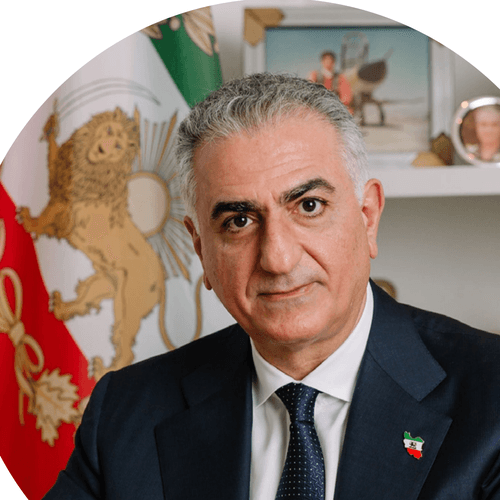
Prince Reza Pahlavi
Foreword
The Iran Prosperity Project presents this Booklet as a blueprint for the first 180 days following the fall of the Islamic Republic (the "Emergency Phase"), serving as a practical guide to Iran's transition to freedom and stability. Created by experts from within Iran and the diaspora, it draws on firsthand knowledge to address the urgent challenges of governance, security, the economy, and society in the immediate post-regime period.
For over forty years, the Islamic Republic has imposed authoritarian rule, suppressed Iran's rich cultural heritage and economic potential, and isolated the country internationally. The regime's policies have caused widespread suffering, including human rights abuses, environmental degradation, and financial crises, among other harms. Nevertheless, the resilience of the Iranian people—evident in ongoing protests and demands for change—demonstrates that a new chapter is within reach.
This Booklet proposes a structured path forward, centered on a Transitional System to govern Iran during the transitional period, consisting of the Transitional Mehestan (the legislative branch), the Transitional Government (the executive branch), and the Transitional Divan (the judiciary). Key priorities include securing borders, maintaining essential public services, stabilizing the economy through transparent budgeting and market-based reforms, reorienting foreign policy, and reforming education.
Central to this framework are democratic mechanisms: first, a referendum to determine the system of government—whether a parliamentary monarchy or a republic—followed by the election of a Constituent Assembly to draft a new Constitution; then a referendum on the proposed Constitution; and finally, an election for the Mehestan (the Parliament). These steps ensure that Iran's future is shaped by its citizens, fostering unity across ethnic, religious, and social groups.
All political parties and figures that adhere to the following four principles are welcome to join the coalition to bring this blueprint to life: first, Iran's territorial integrity; second, a secular democracy based on the separation of religion and state; third, individual freedoms and equality before and under the law; and fourth, the Iranian people's right to freely choose their system of government (whether a parliamentary monarchy or a republic).
To the people of Iran: your resolve has eroded the foundations of tyranny. This plan honors your sacrifices by providing the tools to rebuild our country—one where individual rights are protected, women and men in all religious and ethnic communities thrive equally, and opportunities in education, industry, and innovation abound. A free Iran will harness its natural resources, human capital, and strategic position to achieve rapid growth, environmental sustainability, and social well-being. United in purpose, we can transform challenges into progress, restoring Iran's position as a center of prosperity, true to the cradle of civilization she has always been.
To leaders and policymakers in the region and the world: a democratic Iran will emerge as a reliable partner, committed to regional peace and global cooperation. Freed from the regime's support for terrorism, nuclear weapons programs, and proxy conflicts, Iran will normalize its relations, respect international norms, and contribute to shared goals such as countering extremism and stabilizing the Middle East. By supporting this transition through diplomatic recognition, economic cooperation, and technical assistance, you invest in a stable ally that bolsters security, advances trade, and strengthens our shared interests.
This Booklet is a call to action, grounded in realism and hope. It lays the foundation of a path for an Iran that benefits both its people and the world.
Reza Pahlavi
A Note from NUFDI's President

Dr. Saeed Ganji
NUFDI President/CEO
The National Union for Democracy in Iran (NUFDI) is a non-profit, non-partisan organization in Washington, DC. It works to elevate the voices of the Iranian-American community, which tirelessly strives to strengthen international support for the Iranian people's democratic aspirations and to help shape a serious policy framework for a peaceful transition and long-term stability. We seek to connect diaspora communities, policymakers, media, and civil society around a common goal: supporting the Iranian people, isolating the Islamic Republic regime's machinery of repression, and preparing for a future democratic Iran that can rejoin the international community as a responsible and prosperous nation.
NUFDI's vision is an Iran that is free and democratic, where the Iranian people can determine their future through peaceful political participation, free elections, and the rule of law. We believe Iran's future must be built on equal citizenship, accountability, and national dignity, with protections for freedom of speech, freedom of religion, and the right of every Iranian to live without fear of repression. At its core, NUFDI envisions a post-Islamic Republic Iran with a secular governing system rooted in the will of the people, while preserving Iran's territorial integrity, cultural heritage, and national unity. At NUFDI, we have long believed that supporting the Iranian people means more than opposing the Islamic Republic; it also means helping build the foundation for what comes next.
This booklet, the Emergency Phase of the Iran Prosperity Project, is part of NUFDI's commitment to help prepare for that future responsibly and seriously. The purpose is not to dictate Iran's future; that future belongs to the Iranian people. Rather, this document is a practical planning tool for the transitional period. It reflects a simple belief: preparation matters. A successful transition requires not only courage in the streets, but also competence, coordination, and foresight. I am deeply grateful to all those who have contributed their time, expertise, and patriotism to this effort.
The Iranian people have already shown extraordinary bravery. Our responsibility, especially those of us outside Iran who have the freedom to plan and prepare, is to match that bravery with readiness. We must be prepared to support a peaceful transition, help prevent chaos, and ensure that the first steps of a post-Islamic Republic Iran move the country in the right direction.
We offer this booklet as a sign of confidence in Iran's future. The road ahead will not be easy. But Iran is not beginning from nothing. It is a great nation with a rich civilizational heritage, a talented population, and a strong capacity to rebuild. With the right preparation, principled leadership, and the support of a united people, Iran will emerge from this dark chapter stronger, freer, and more prosperous than before.
Dr. Saeed Ganji
NUFDI President/CEO
About Iran Prosperity Project
By convening subject-matter experts to develop a comprehensive, practical, and peer-reviewed plan for Iran’s post-Islamic Republic future, the Iran Prosperity Project ("Project") provides a clear roadmap for rebuilding the country during the Transitional Period and beyond, meeting its socioeconomic needs, and preparing it to become an economic powerhouse. Our mission is to chart a path toward a free and prosperous Iran and to demonstrate that the dreams millions hold for a new Iran are attainable.
Our Vision
Our vision is to see the revitalization of Iran—the birthplace of a glorious civilization—after nearly five decades of the Islamist regime’s incompetence and brutality, which have brought the country to the brink of collapse. The regime has deprived tens of millions of Iranians of the opportunity to achieve prosperity and deprived the world of all that Iran and Iranians can offer. Since this regime took power, the Iranian people have fought for freedom and the chance to flourish like their regional neighbors and global peers.
When the regime falls—as it inevitably will—the Iranian nation will embark on rebuilding its country. This Project provides a guiding framework rooted in the aspirations and priorities of the Iranian people. Within a democratic political system, Iranians can restore lost prosperity and growth through hard work, foreign investment, and international commerce while also contributing to the global rules-based order. For the world, a free and democratic Iran represents one of the last large, untapped markets. With its strategic location, abundant natural resources, a well-educated and skilled workforce, and significant existing infrastructure, the country is poised to finally unleash its economic potential.
A future Iran can establish long-term economic relationships with its neighbors based on mutual respect, fostering stability and cooperation across the region—rather than the extremism and terrorism exported by the current regime. Domestically, the resulting expansion of international trade will serve as a powerful engine for the Iranian economy, helping to revive what was once a regional powerhouse.
The Project’s Structure
This Project is structured into three phases, each with its own implementation timeline. The first phase is the Emergency Phase, which covers the first six months of the Transitional Period and focuses on addressing immediate challenges while preparing the country for a democratic and economically prosperous future. This phase is addressed in detail in this Booklet. A draft of the Booklet was published in July 2025 to solicit public feedback. The authors subsequently analyzed the feedback and revised the Booklet accordingly.
The second phase is the Stabilization Phase (running from month seven through the end of the Transitional Period), and the third phase is the Post-Transition Long-Term Reforms Phase (beginning with the formation of the first elected government). The booklets covering these two phases focus on policy and strategic planning for the Transitional Period and recommendations for long-term reforms. Some parts of these booklets have already been completed, and they will be released to the public as they are finalized.
In addition to the phased booklets, the Project includes a subject-matter-specific track of policy papers organized into two categories: Foundational Stabilization and Industrial Revitalization. These papers establish national policy frameworks to support long-term economic stability, labor market resilience, and sustainable growth. They also outline sector-specific visions and investment requirements. A draft of the economic part of the Foundational Stabilization papers was released to the public for comment in May 2025, and the full booklet is expected to be published in the coming months. Work on the Industrial Revitalization papers has already commenced, and the initial draft will be released in the near future.
Iran is a great country, and Iranians are a great nation. They deserve freedom, prosperity, and respect. The Iran Prosperity Project has developed a comprehensive plan to restore Iran’s greatness.
Saeed Ghasseminejad, Ph.D.
Project Director
Introduction

Objective: A Practical Roadmap to Rebuilding Iran
In January 2026, the world watched in horror as the Islamic Republic massacred, according to credible reports, tens of thousands of peaceful protesters across Iran in just a few days. This atrocity marks a turning point: the regime has completely lost the remaining domestic legitimacy it claimed to have. These acts of mass violence have further solidified the Islamic Republic’s position as an international pariah. The Islamic Republic stands as a failed and deeply unpopular political system, clinging to power through sheer brutality and against the will of the people. After nearly five decades of gross incompetence, domestic repression, regional aggression, and systemic corruption, the downfall of the Islamic Republic appears increasingly plausible and is indeed perceived by many as inevitable.
To reclaim and rebuild Iran, Crown Prince Reza Pahlavi has outlined a five-pronged campaign strategy: 1) exerting maximum pressure on the Islamic Republic; 2) providing maximum support to the Iranian people; 3) encouraging maximum defections from the regime; 4) maximizing mobilization of Iranians inside and outside Iran; and 5) planning for the reconstruction of Iran following the regime’s fall. It is the fifth prong—the reconstruction of Iran—that gave rise to the Iran Prosperity Project (the "Project"), which provides a comprehensive strategic roadmap to address the systemic challenges of a post-theocratic transition in Iran. The Project is structured into three phases, each with its own implementation timeline. The first phase, covering the first six months following the fall of the regime, is called the Emergency Phase and is the subject of this Booklet.
The primary objective of this Booklet is to mitigate the volatility of the Emergency Phase through coordinated efforts in economic, legal, and political reconstruction. By engaging with key international and domestic stakeholders, the Project seeks to establish a resilient framework for democratic governance and a renewed social contract, ensuring both immediate stabilization and long-term institutional viability. Even if the regime’s fall is delayed, partial, or uneven, the Emergency Phase logic set out in this Booklet still applies.
The Project team released a draft of this Booklet in July 2025 for public comment to engage in a democratic process and collect feedback, views, and concerns from Iranians. The authors have subsequently analyzed the feedback received and revised the Booklet accordingly. While this Booklet primarily focuses on the Emergency Phase, it also contains elements that affect the medium- and long-term viability of a free and democratic Iran.
Context: The Islamic Republic Is Weak, Vulnerable, and Has Lost Legitimacy
The brutal response to the January 2026 uprising—known as the "Lion and Sun Revolution"—has solidified a domestic and international consensus regarding the Islamic Republic’s lack of viability and legitimacy. Defined by endemic economic stagnation and pervasive social and political repression, the regime’s stability is further undermined by strategic failures, military defeats, and the concentration of power in the hands of Ali Khamenei, the aging and increasingly paranoid Supreme Leader. Attempts to reform the regime have been systematically blocked from within since the 1990s. As a result, the Iranian public—and even regime insiders—have largely abandoned any hope for meaningful reforms capable of producing tangible political, social, or economic change.
Importance of the Emergency Phase Booklet
A fundamental question that Iranians and the international community are asking is what political and economic system will replace the Islamic Republic. Without careful planning and serious engagement with potential transition scenarios, the risk of chaos and instability increases dramatically. The strategy detailed in this Booklet, aimed at achieving tangible socioeconomic progress (including expanding freedoms and resuming economic growth), has been developed to ensure the sustainability of a democratic Iran in the medium and long term.
Structure of the Emergency Phase Booklet
This Booklet comprises fourteen white papers addressing fourteen key topics related to the transitional period. The first two white papers focus on the legal and political frameworks of the transitional governance system. The remaining white papers cover key areas such as foreign policy, military and security structure, cybersecurity, and more.
The People Behind the Plan
Over 70 Iranian experts from within Iran and the diaspora — scholars, professionals, and specialists — collaborating to build a blueprint for Iran's future.
Project Director
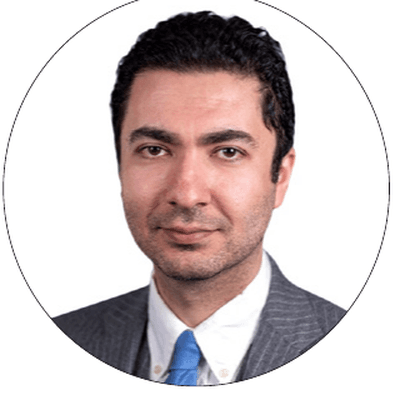
Saeed Ghasseminejad
Authors

Payam Alipour

Mostafa Babayan

Leyla Bahmany
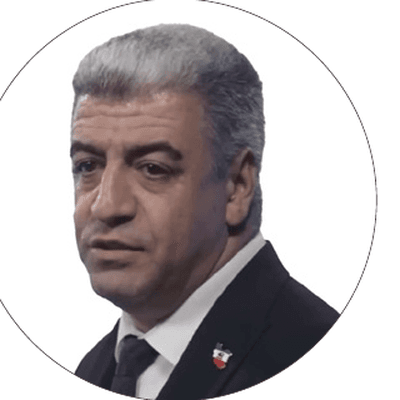
Nejat Bahrami
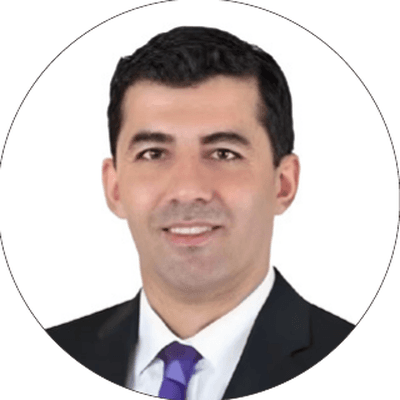
Mehdi Beyhaghi
Saeed Ghasseminejad

Shirin Goli
Mohammad Jahan-Parvar
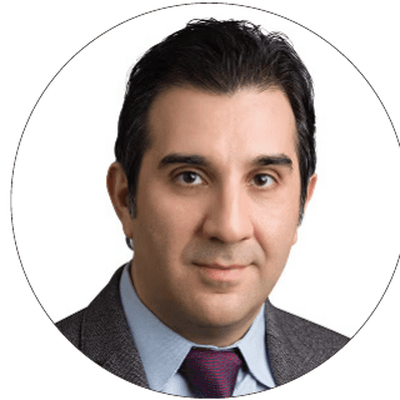
Siamak Javadi

Mehdi Ketabchy

Cameron Khansarinia

Navid Mohebbi

Pouria Mojabi

Borghan Narajabad

Mohammad Nayeb Yazdi
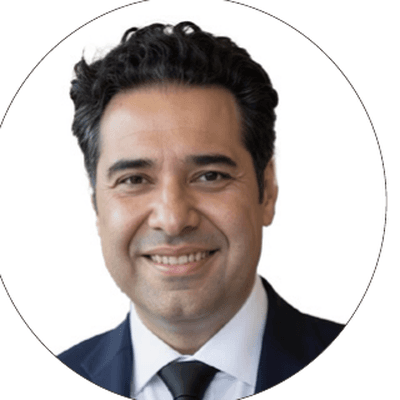
Aidin Panahi

Shabnam Panahi
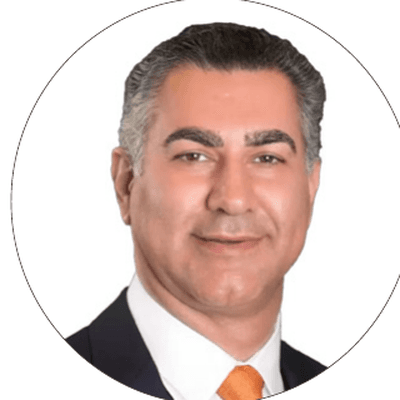
Hossein Pourmand

Kevin Rod

Soren Ryan

Sahar Tahvili

Bahram Vahedi
Advisors
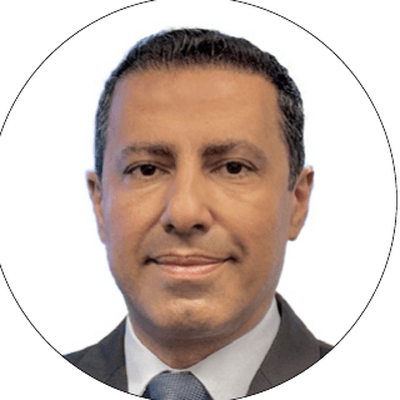
Amir Aghakouchak

Mahdi Amiri

Morteza Anvari

Reza Arab

Armand Ash-Rafzadeh
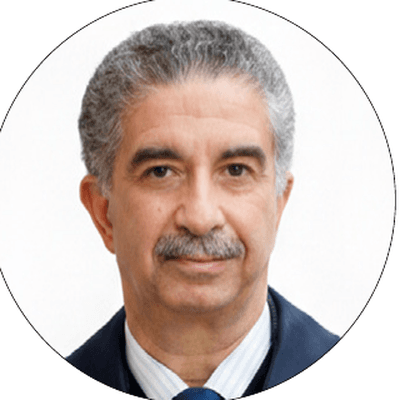
Namdar Baghaei-Yazdi

Maryam Banihashemi
Saeed Bashirtash
Amir Bidgoli

Alan Bostakian

Roya Bozorgnia
Afshin Ellian

Esmaeil Fallahi

Soroush Ghazi

Fereidoon Izadseta
Tinoush Jamali Jaghdani

Bijan Kian

Ardavan Khoshnood

Arvin Khoshnood

Ramin Lakani

Ali Mehran

Manoucher Mirsepanj
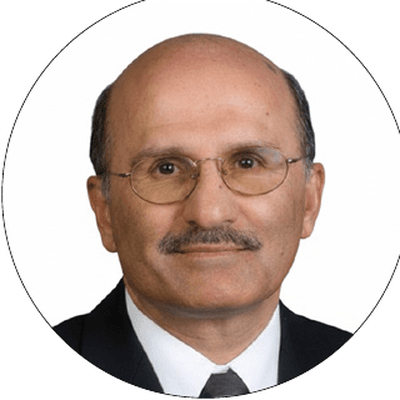
Saied Mostaghimi
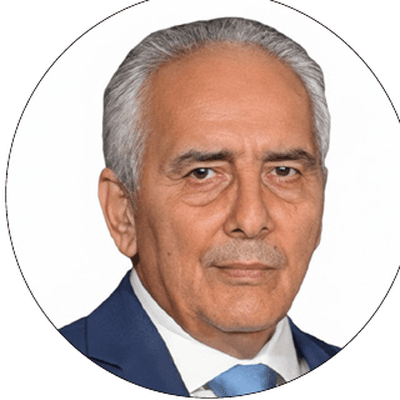
Farhad Nasirkhani

Pooya Nasseri
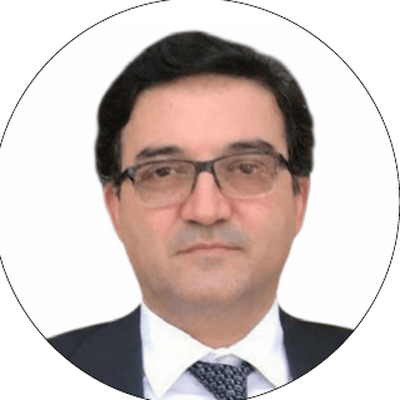
Shahin Nejad

Noor Pahlavi
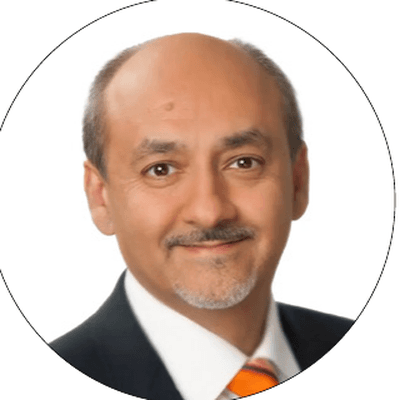
Amir Mobarez Parasta

Saied Pirasteh

Shervin Pishevar
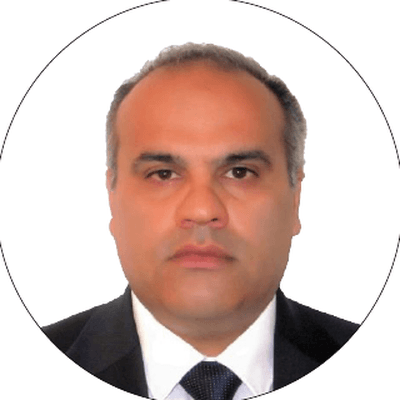
Schahram Sabzevari

Darya Safai

Nicky Sarmadi
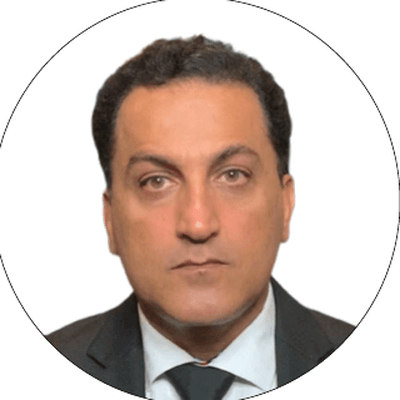
Babak Shekarabi

Nazanin Silver

Mahsa Tehrani

Houshang Vazin

Amir Verdi
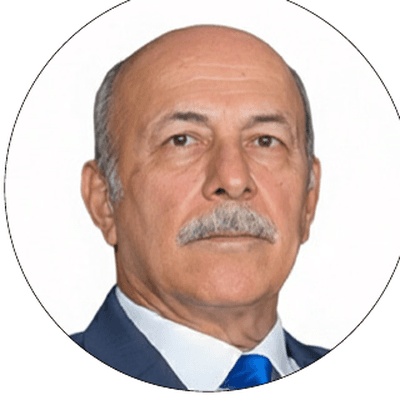
Mohsen Yassini
Executive Team
Leyla Bahmany

Ahmad Eshghyar
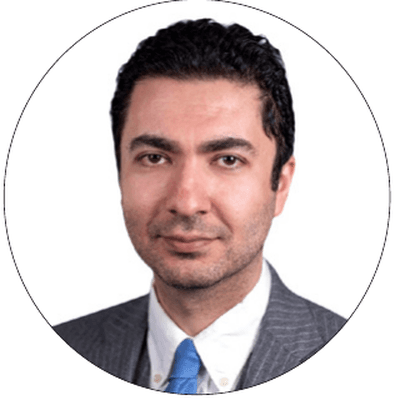
Saeed Ghasseminejad

Armita Hooman

Mohammad Jahan-Parvar
Alireza Kiani

Saghi Laghaei
Aidin Panahi

Jeremy Roesner

Amir Sharif-Emami

Tymahz Toumadje